Monthly Archives: May 2026

How Thailand’s Recovery Centers Help Canadians Find Long-Term Healing and Stability

For many Canadians struggling with addiction or mental health challenges, the hardest part is not just starting treatment, but finding care that leads to lasting stability. Short term fixes often are not enough, especially when underlying emotional pain, trauma, or stress is not fully addressed. This is why more Canadians are exploring Thailand’s recovery centers, where treatment is designed to support long-term healing through structured care, holistic approaches, and individualized recovery planning.

Thailand has become a trusted destination for addiction recovery and mental health treatment because it offers more than symptom management. It provides a complete healing environment where individuals can focus fully on rebuilding their lives with professional support and emotional guidance.

Why Canadians Are Turning to Thailand for Recovery Support

Access to timely and comprehensive treatment in Canada can be challenging. Long wait times, limited inpatient availability, and high demand for mental health services often delay care when it is needed most. During this time, conditions can worsen, making recovery more difficult.

Thailand offers a different path. Canadians who travel for treatment gain immediate access to structured programs, professional care, and a calm environment that supports emotional clarity. Being away from daily pressures, triggers, and routines allows individuals to focus entirely on recovery without distraction.

This separation is often an important step in breaking cycles of addiction and emotional distress.

Building Long-Term Healing Through Structured Care

Thailand’s recovery centers are designed to help individuals build stability from the ground up. Treatment is structured, supportive, and tailored to each person’s needs, ensuring that recovery is both effective and sustainable.

Inpatient Programs for Deep Stabilization

Inpatient care provides a highly structured environment where patients receive continuous support. This level of care is especially helpful for individuals who require detox, medical supervision, or intensive therapy.

Typical inpatient services include:

  • Medically supported detox when needed
  • One on one counseling and therapy
  • Group therapy and peer support
  • Psychiatric care for co-occurring conditions
  • Daily structure and routine building

This structured setting helps individuals stabilize physically and emotionally while developing healthy habits that support long-term recovery.

Outpatient Care for Sustainable Progress

Outpatient programs help individuals transition from structured treatment into everyday life while still receiving professional support. These programs are essential for maintaining progress and preventing relapse.

Outpatient care often includes:

  • Regular therapy sessions
  • Mental health support and counseling
  • Relapse prevention planning
  • Skill development for real-world challenges

For Canadians returning home, outpatient care ensures continuity and helps maintain momentum after treatment abroad.

The Role of Holistic Healing in Lasting Recovery

One of the key strengths of Thailand’s recovery centers is their holistic approach. Healing is not limited to clinical treatment. It also includes emotional, physical, and sometimes spiritual well-being.

Mind Body Connection in Treatment

Holistic therapies are integrated into many recovery programs to support overall wellness. These may include:

  • Meditation and mindfulness training
  • Yoga and gentle movement practices
  • Nutritional support and wellness education
  • Creative therapies such as art or music expression

These approaches help reduce stress, improve emotional regulation, and strengthen coping skills that support long-term stability.

Faith Based and Individualized Support

For individuals who value spiritual growth, faith based care can provide comfort, structure, and purpose during recovery. This support can be especially meaningful during difficult stages of healing.

Equally important is individualized care. Each patient receives a personalized treatment plan that reflects their unique experiences, challenges, and goals. This ensures that recovery is not generic but deeply aligned with the individual’s needs.

What Long-Term Stability in Recovery Really Means

Long-term recovery is not only about stopping substance use or managing symptoms. It is about creating a balanced and meaningful life.

Thailand’s recovery centers focus on helping individuals:

  • Develop emotional resilience
  • Build healthy coping strategies
  • Strengthen personal relationships
  • Improve mental clarity and focus
  • Create sustainable daily routines

These skills are essential for maintaining stability after treatment ends and returning to life in Canada.

Preparing for Life After Treatment Abroad

A successful recovery journey does not end when a program is completed. Aftercare planning is a critical part of long-term success.

Canadians are encouraged to plan for:

  • Continued therapy or counseling at home
  • Support groups or community programs
  • Ongoing relapse prevention strategies
  • Structured routines for daily stability

Strong aftercare support helps reinforce progress made during treatment and reduces the risk of returning to old patterns.

Conclusion: A Path Toward Lasting Healing and Stability

Thailand’s recovery centers offer Canadians a compassionate and effective path toward long-term healing from addiction and mental health challenges. Through structured inpatient and outpatient care, holistic therapies, and individualized treatment plans, individuals are given the tools they need to rebuild their lives with stability and confidence.

If you or someone you love is seeking support, exploring treatment options in Thailand may be a powerful first step. Recovery is not just about short-term change. It is about creating a life that is stable, meaningful, and sustainable. With the right care and support, lasting healing is possible.

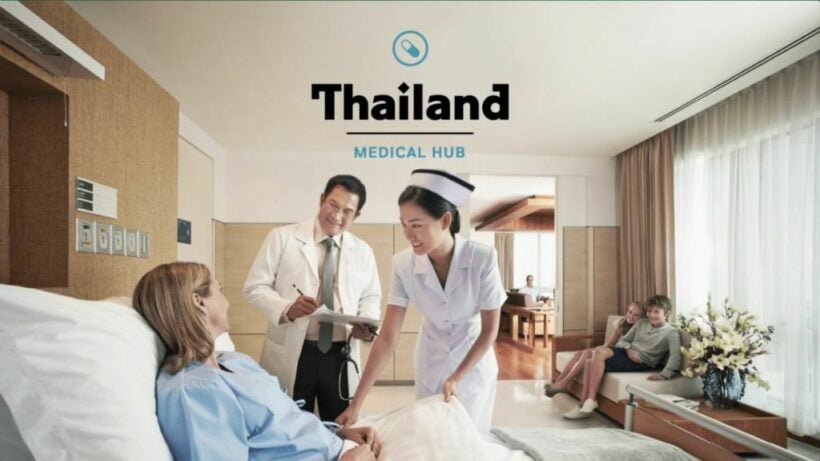
Can Treatment Abroad Change Your Life? Exploring Thailand’s Recovery Programs for Canadians

For Canadians struggling with addiction or mental health challenges, the question is often not just where to get help, but whether change is truly possible. When local options feel limited or delayed, many begin exploring treatment abroad. Thailand has become one of the most talked about destinations for recovery care, offering structured addiction treatment, mental health support, and holistic healing programs designed to help people rebuild their lives in a meaningful way. But can treatment abroad actually change your life? For many, the answer is yes, especially when care is comprehensive, individualized, and supported by a healing environment.

Why Canadians Are Looking Beyond Traditional Treatment Options

Addiction and mental health recovery in Canada can sometimes be difficult to access quickly. Long waiting lists, limited inpatient availability, and fragmented services often create barriers during moments when immediate help is needed most.

As a result, more Canadians are considering international treatment options. Thailand stands out because it offers a combination of professional care, affordability, and a calm environment that supports emotional healing. This combination allows individuals to step out of crisis mode and into a structured recovery process with fewer delays.

Equally important, treatment abroad provides emotional distance from daily stressors, environments, and relationships that may contribute to ongoing substance use or emotional instability. This separation can be an important first step in breaking long standing patterns.

What Makes Thailand’s Recovery Programs Different

Thailand’s recovery centers focus on treating the whole person rather than only addressing surface level symptoms. This includes addiction, co-occurring mental health conditions, emotional trauma, and lifestyle factors that contribute to long term challenges.

Inpatient Programs for Full Time Support

Inpatient treatment provides a structured environment where patients receive round the clock care and guidance. These programs are designed for individuals who need stability, medical supervision, or intensive therapeutic support.

Typical components include:

  • Medically supervised detox when required
  • Individual counseling and psychotherapy
  • Group therapy and peer support sessions
  • Psychiatric evaluation and treatment
  • Daily structure and recovery focused routines

This environment allows individuals to stabilize physically and emotionally while building a foundation for long term recovery.

Outpatient Programs for Flexible Recovery

Outpatient care supports individuals who are transitioning back into daily life or who do not require full time residential treatment. These programs provide continued structure while allowing more independence.

Outpatient services often include:

  • Regular therapy sessions
  • Mental health counseling
  • Relapse prevention strategies
  • Skill building for real world challenges

For Canadians returning home, outpatient planning ensures that recovery continues beyond treatment abroad.

The Role of Holistic Healing in Life Changing Recovery

One of the most powerful aspects of Thailand’s recovery programs is their holistic approach. Healing is not limited to clinical treatment alone. It extends to emotional, physical, and spiritual well-being.

Mind Body Integration in Recovery

Holistic therapies are often included alongside evidence based clinical care. These may involve:

  • Meditation and mindfulness practices
  • Yoga and breathwork
  • Nutritional support and lifestyle planning
  • Creative therapies such as art or music

These practices help individuals manage stress, regulate emotions, and reconnect with themselves in healthier ways.

Faith Based and Purpose Driven Support

For many individuals, spiritual support plays an important role in recovery. Faith based care can provide comfort, structure, and a renewed sense of purpose during difficult stages of healing.

When combined with individualized treatment planning, this approach helps patients develop stronger emotional resilience and long term motivation for change.

Can Treatment Abroad Really Change Your Life?

For many Canadians, the answer depends on several factors: willingness to engage in treatment, quality of care, and continuity after returning home.

Treatment abroad can be life changing when it provides:

  • A structured and supportive environment
  • Access to professional and compassionate care
  • Time and space for self reflection
  • A clear aftercare plan for ongoing support

The physical distance from home often allows individuals to reset mentally and emotionally, which can be a powerful catalyst for transformation.

However, lasting change requires continued effort after treatment ends. Recovery is a long term process, and success is strengthened through ongoing therapy, support systems, and healthy routines.

Preparing for a Recovery Journey in Thailand

Before choosing treatment abroad, Canadians should carefully research programs and ensure they are working with reputable and experienced providers. It is important to understand treatment approaches, staff qualifications, and aftercare planning options.

Equally important is preparing for life after treatment. A strong transition plan helps maintain progress and reduces the risk of relapse once returning to Canada.

Conclusion: A New Beginning Is Possible

Exploring Thailand’s recovery programs for Canadians opens the door to a different kind of healing experience. With a combination of clinical expertise, holistic care, structured treatment, and a supportive environment, many individuals find the clarity and stability they need to begin rebuilding their lives.

If you or someone you care about is struggling with addiction or mental health challenges, treatment abroad may be a meaningful step toward change. Recovery is not just about stopping harmful patterns. It is about creating a life that feels balanced, purposeful, and worth living. With the right support, that transformation is possible.

Thailand Medical Tourism for Canadians: A Holistic Approach to Addiction and Emotional Healing

For many Canadians struggling with addiction or emotional distress, finding the right treatment can feel overwhelming. Long wait times, limited program availability, and a lack of individualized care often leave people searching for alternatives that truly meet their needs. Increasingly, Thailand medical tourism is emerging as a trusted option, offering Canadians access to holistic addiction recovery and mental health treatment in a compassionate, structured, and healing environment.

Thailand’s approach is built on more than clinical care alone. It blends medical expertise with holistic healing, emotional support, and personalized treatment plans designed to help individuals rebuild their lives from the inside out.

Why Canadians Are Choosing Thailand for Recovery Care

The decision to seek treatment abroad is deeply personal. For many Canadians, Thailand represents an opportunity to access care that is both comprehensive and immediately available.

One of the most important advantages is the ability to step away from familiar environments that may contribute to stress, addiction triggers, or emotional instability. Being in a new and peaceful setting allows individuals to focus fully on recovery without daily distractions.

In addition, Thailand offers a strong balance between affordability and high quality care. Many programs provide world class treatment at a lower cost compared to private options in Canada, making recovery more accessible for individuals and families.

A Holistic Model for Addiction and Mental Health Treatment

Thailand’s treatment philosophy focuses on healing the whole person. This means addressing not only addiction or mental health symptoms but also the emotional, physical, and psychological factors behind them.

Inpatient Programs for Structured Healing

Inpatient care provides a safe and structured environment where patients receive 24 hour support. This level of care is often recommended for individuals who need intensive treatment or medical supervision.

Key elements of inpatient programs include:

  • Medical detox and stabilization when needed
  • Individual therapy sessions
  • Group counseling and peer support
  • Psychiatric care for co-occurring conditions
  • Daily structure that supports healthy routine building

This structured environment helps patients regain stability while developing the tools needed for long term recovery.

Outpatient Care for Continued Recovery Support

Outpatient programs are designed for individuals who are ready to transition into more independent living while still receiving professional support.

These programs often include:

  • Regular counseling sessions
  • Mental health monitoring and therapy
  • Relapse prevention planning
  • Coping skill development

For Canadians returning home, outpatient care and aftercare planning play a crucial role in maintaining progress and preventing relapse.

The Power of Holistic and Faith Based Healing

One of the defining features of Thailand medical tourism for addiction recovery is the integration of holistic therapies alongside clinical treatment.

Mind Body Emotional Connection

Holistic healing focuses on restoring balance across all areas of life. Patients often participate in therapies such as:

  • Meditation and mindfulness practices
  • Yoga and gentle physical movement
  • Nutritional guidance and wellness planning
  • Art or music based expression therapy

These practices help reduce stress, improve emotional regulation, and support deeper self awareness.

Faith Based and Personal Growth Support

For many individuals, spiritual connection is an important part of recovery. Faith based support offers guidance, comfort, and meaning during difficult moments in treatment.

Combined with individualized care, this approach helps patients reconnect with purpose and build emotional strength that supports long term healing.

Personalized Care for Lasting Recovery

No two recovery journeys are the same. Thailand’s treatment centers place strong emphasis on individualized care plans that reflect each patient’s history, needs, and goals.

This personalized approach ensures that treatment is not only clinically effective but also emotionally supportive and aligned with the individual’s long term recovery path.

Preparing for Treatment Abroad

Before choosing Thailand for recovery care, Canadians should take time to research programs carefully. It is important to look for accredited facilities, experienced professionals, and treatment plans that include both clinical and holistic care.

Planning for aftercare is equally important. Recovery does not end when treatment is complete. Ongoing therapy, support groups, and structured routines at home help reinforce long term stability and reduce the risk of relapse.

Conclusion: A Compassionate Path Toward Healing and Renewal

Thailand medical tourism offers Canadians a unique and holistic approach to addiction recovery and emotional healing. By combining structured clinical care, holistic therapies, faith based support, and individualized treatment plans, patients are given the opportunity to heal in a way that is both meaningful and sustainable.

If you or someone you love is struggling with addiction or emotional distress, exploring treatment options in Thailand may be the first step toward a healthier and more balanced future. Recovery is possible, and with the right support, lasting change can begin today.

Why Canadians Are Traveling to Thailand for Addiction Recovery and Mental Health Support

Addiction and mental health challenges can affect every part of a person’s life, from relationships and physical health to emotional stability and long-term well-being. For many Canadians seeking meaningful recovery, traditional treatment options at home may feel limited by long wait times, high costs, or programs that do not fully address their individual needs. As a result, more Canadians are traveling to Thailand for addiction recovery and mental health support, drawn by the country’s compassionate approach, holistic treatment philosophy, and personalized care programs designed to support lasting healing.

Thailand has become a respected destination for medical tourism because it offers more than temporary treatment. It provides a supportive environment where individuals can focus entirely on recovery while receiving comprehensive care that addresses the mind, body, and emotional well-being.

Why Thailand Has Become a Trusted Recovery Destination

Thailand’s reputation for quality healthcare and wellness has grown significantly over the past decade. Canadians searching for addiction treatment or mental health support are often looking for programs that combine clinical expertise with emotional understanding and individualized care.

Many recovery centers in Thailand focus on treating the whole person rather than only managing symptoms. This integrated approach allows patients to explore the underlying causes of addiction, trauma, anxiety, depression, and other mental health concerns while building healthier coping strategies.

Another important factor is the environment itself. Thailand’s peaceful surroundings help create a sense of calm and separation from the stress, triggers, and routines that may contribute to addictive behaviors or emotional distress.

Comprehensive Addiction Recovery Programs

Successful recovery requires structure, professional guidance, and long-term planning. Thailand’s treatment programs often include both inpatient and outpatient care to meet the needs of different individuals and stages of recovery.

Inpatient Treatment for Intensive Healing

Inpatient care offers a highly structured environment where patients can fully focus on recovery without outside distractions. These programs are especially helpful for individuals dealing with severe addiction, co-occurring mental health disorders, or repeated relapse patterns.

Patients typically receive:

  • Medical supervision and detox support
  • Individual therapy and counseling
  • Group therapy and peer support
  • Mental health evaluations and treatment
  • Relapse prevention education

Structured routines provide stability and help patients develop healthier habits that support long-term wellness.

Outpatient Care for Continued Support

Outpatient treatment allows individuals to continue therapy and recovery work while gradually returning to everyday responsibilities. These programs often include counseling sessions, mental health support, and ongoing recovery planning.

For Canadians returning home after treatment abroad, outpatient planning and aftercare coordination are essential. Continued support helps patients maintain progress and manage challenges during reintegration into daily life.

The Role of Holistic Healing in Recovery

One reason many Canadians choose Thailand is the emphasis on holistic healing. Recovery is viewed as a process that involves emotional, physical, mental, and sometimes spiritual restoration.

Mind and Body Wellness Approaches

Holistic therapies are often integrated alongside evidence-based clinical treatment. These may include:

  • Meditation and mindfulness training
  • Yoga and movement therapy
  • Nutritional counseling
  • Creative therapies such as art or music
  • Stress management practices

These therapies help patients improve emotional regulation, reduce anxiety, and develop healthier ways to cope with stress.

Faith-Based and Individualized Support

For some individuals, spiritual guidance plays an important role in recovery. Faith-based support can provide comfort, accountability, and a renewed sense of purpose during treatment.

Equally important is individualized care. Thailand’s treatment programs often prioritize personalized treatment planning, ensuring that each patient receives support tailored to their specific experiences, challenges, and recovery goals.

Practical Benefits for Canadians Seeking Treatment Abroad

Beyond treatment quality, Thailand also offers practical advantages for Canadians considering recovery care overseas.

Faster Access to Care

Many Canadians seek treatment abroad because they can access programs more quickly than they might at home. Early intervention can make a significant difference in recovery outcomes.

Cost-Effective Treatment Options

Thailand often provides high-quality addiction and mental health treatment at a lower overall cost compared to similar private programs in Canada.

Privacy and Emotional Space

Traveling abroad for treatment creates physical and emotional distance from daily pressures. This separation can help patients focus fully on healing without distractions or social stigma.

Preparing for Recovery in Thailand

Before choosing treatment abroad, Canadians should carefully research treatment providers, understand program structures, and discuss options with healthcare professionals. It is important to select a reputable facility that offers licensed professionals, individualized treatment plans, and strong aftercare support.

Planning for recovery after returning home is equally important. Continued therapy, support groups, and structured routines can help reinforce progress and reduce the risk of relapse.

Conclusion: A New Beginning Through Compassionate Recovery Care

More Canadians are traveling to Thailand for addiction recovery and mental health support because they are seeking care that feels comprehensive, compassionate, and deeply personalized. Thailand’s combination of professional treatment, holistic healing, structured programs, and peaceful surroundings creates an environment where lasting recovery becomes possible.

If you or someone you love is struggling with addiction or mental health challenges, exploring treatment options abroad could be the first step toward a healthier future. Recovery is not only about overcoming addiction. It is about rebuilding confidence, restoring balance, and creating a life grounded in hope and long-term wellness.