Category Archives: Uncategorized

From Home to Healing Abroad: Understanding the Medical Travel Boom

In recent years, more individuals are choosing to leave their home countries in search of better healthcare, especially for specialized services like addiction recovery and mental health treatment. This growing trend, known as medical travel, is driven by a simple truth: sometimes the best care is not found where you live. For those facing challenges like substance use disorders, depression, or anxiety, traveling abroad for treatment can offer a fresh environment, advanced therapeutic approaches, and a renewed sense of hope.

Why People Are Choosing to Travel for Care

For many patients, local treatment options may feel limited. Programs might lack the individualized attention, holistic care, or specialized therapies they need. Traveling for care opens doors to a wider range of treatment models, cultural approaches, and healing environments.

At Thai Visitor Services, we understand that recovery is more than just a medical process. It is a deeply personal journey that requires addressing the mind, body, and spirit. Our programs in Thailand combine evidence-based clinical treatments with holistic and faith-based practices, offering a unique and effective path to long-term recovery.

The Benefits of Healing in a New Environment

Changing your surroundings can be a powerful step in the recovery process. Being away from familiar triggers, stressful environments, and unhealthy routines gives patients space to focus entirely on healing. Thailand offers not only high-quality care but also a serene setting that promotes peace of mind.

Holistic and Faith-Based Approaches

Many people travel for treatment to access holistic and faith-based care that is not available locally. At Thai Visitor Services, we integrate medical care with therapies like mindfulness, nutrition, physical wellness, and spiritual guidance. This approach nurtures every aspect of a patient’s well-being, helping them build resilience and lasting health.

Privacy and Confidentiality

Privacy is another significant reason for choosing treatment abroad. Patients can focus on recovery without concerns about community stigma or unwanted attention. Our discreet and compassionate approach ensures that every patient feels safe, respected, and supported.

Planning for Medical Travel

While the decision to seek care abroad can feel overwhelming, the right support makes it seamless. Thai Visitor Services assists with travel arrangements, accommodation, and all the logistical details so patients can concentrate on recovery. We offer:

  • Pre-admission assessments to match patients with the right program
  • Assistance with travel and visa arrangements
  • Individualized treatment plans tailored to unique needs
  • Aftercare and ongoing support following discharge

A Path Toward Lasting Recovery

Medical travel is not just about accessing care. It is about creating the best possible environment for true healing. For individuals struggling with addiction or mental health challenges, it can be the turning point toward a healthier, more fulfilling life.

If you or someone you love is ready to explore how healing abroad can change your life, Thai Visitor Services is here to guide you every step of the way. Contact us today to learn more about our holistic, faith-based programs and start your journey toward recovery.
The Medical Passport: How Travel Is Revolutionizing Patient Care

In a world where access to quality healthcare varies widely, the idea of traveling for medical treatment is no longer unusual. For many individuals struggling with addiction, mental health issues, or chronic conditions, getting the right care means looking beyond local borders. At Thai Visitor Services, we believe that healing should never be limited by geography. As more people seek personalized, holistic, and affordable solutions, the concept of a “medical passport” is changing lives and reshaping how we think about recovery.

Why Medical Travel Makes Sense for Mental Health and Addiction Recovery

When facing a life-altering condition like addiction or severe anxiety, finding the right environment for healing can be just as important as the treatment itself. Medical travel offers individuals a fresh start in a new setting, away from the pressures and triggers of daily life. This distance allows patients to focus fully on their recovery, often with better outcomes.

At Thai Visitor Services, patients are welcomed into a supportive, tranquil atmosphere designed specifically for healing. Our Thailand-based programs combine evidence-based practices with culturally rich experiences, offering a truly transformative journey. From personalized inpatient care to flexible outpatient support, we tailor treatment to meet each individual’s needs.

The Benefits of Holistic and Faith-Based Treatment Abroad

One of the core reasons people travel for care is to access holistic, faith-based, and individualized treatment not always available at home. Thai Visitor Services takes a whole-person approach, addressing mind, body, and spirit. This philosophy means patients receive not just medical detox or therapy sessions, but also nutritional counseling, mindfulness practices, spiritual guidance, and physical wellness support.

Thailand offers a peaceful and spiritually grounding environment, ideal for those seeking deeper recovery. Whether you’re walking through a tranquil garden or attending a guided meditation session, every experience is curated to support healing from within.

H3: Privacy and Respect During Recovery

Another advantage of seeking treatment abroad is the enhanced privacy it provides. Many people fear the stigma of seeking mental health or addiction help, especially in small communities. Choosing to travel for treatment gives individuals the chance to heal confidentially, surrounded by professionals who offer support without judgment.

Practical Considerations: What to Expect When Traveling for Treatment

Planning medical travel requires attention to detail, but it doesn’t have to be overwhelming. Thai Visitor Services assists with every step of the journey, from travel arrangements and accommodations to medical assessments and aftercare planning.

Our team understands that making the choice to travel for treatment is a big decision. That’s why we provide comprehensive guidance, including:

  • Pre-admission evaluations
  • Visa support and travel coordination
  • Individualized treatment roadmaps
  • Culturally sensitive care plans
  • Ongoing support after discharge

These services ensure patients and families feel supported, informed, and confident throughout their healing journey.

Take the First Step Toward Whole-Person Healing

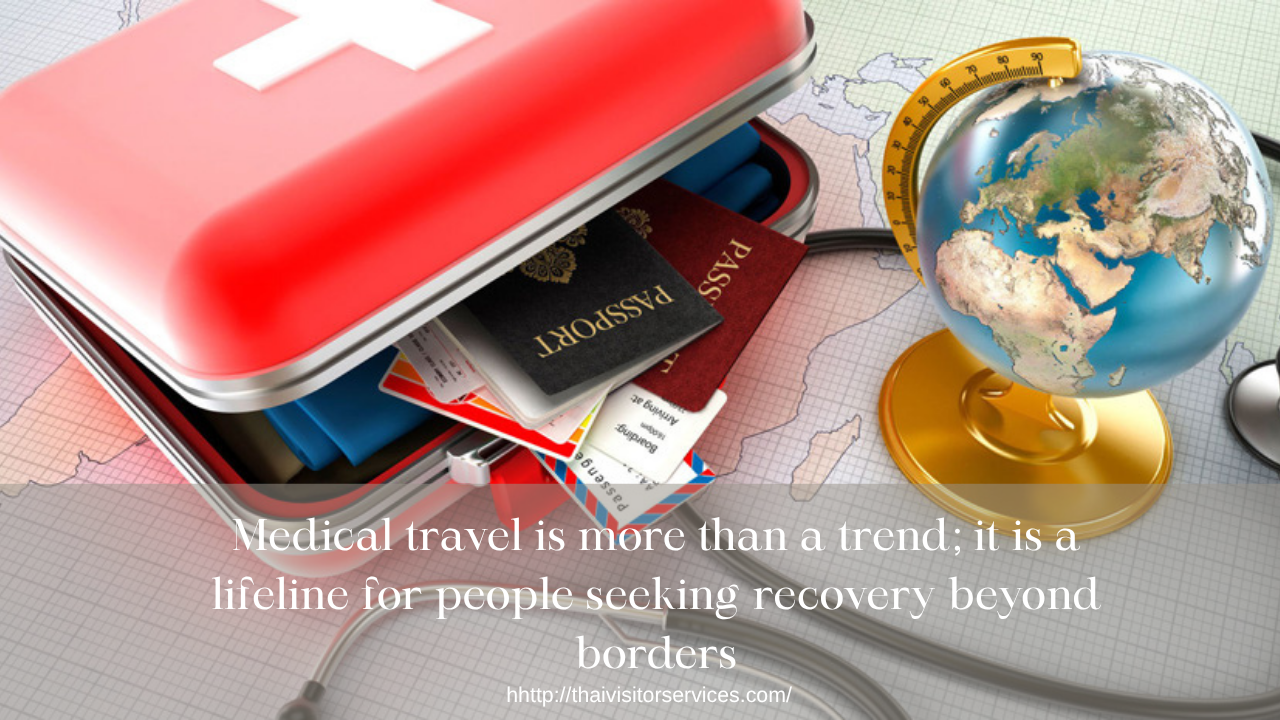
If you or someone you love is facing addiction, trauma, or mental health challenges, know that the right care may be waiting just a flight away. Medical travel is more than a trend; it is a lifeline for people seeking recovery beyond borders. At Thai Visitor Services, we’re honored to walk beside you as you reclaim your health and your life.

Reach out today to learn more about our holistic, faith-based programs in Thailand. Healing starts with a single step. Let us help you take it.

Crossing Borders for Better Health: The Rise of Medical Tourism

Medical tourism, once a niche practice, has become a global trend that continues to gain momentum. Patients from all over the world are now traveling beyond their home countries to access healthcare services that are more affordable, specialized, or timely than those available locally. This growing movement reflects the globalization of healthcare, as well as patients’ increasing willingness to seek the best care, regardless of borders.

The Driving Forces Behind Medical Tourism

One of the primary reasons for the rise in medical tourism is the cost disparity between countries. In places like the United States, the cost of surgery or specialized treatment can be exorbitant, even for those with insurance. By contrast, nations such as India, Thailand, Mexico, and Turkey offer comparable procedures at significantly lower prices. Patients can often save between 50% and 80% on medical expenses, including travel and accommodations.

Access to advanced medical treatments is another motivator. Some patients travel abroad to receive innovative procedures that may not be available in their home countries due to regulatory restrictions or limited medical expertise. From cancer therapies and fertility treatments to organ transplants and cosmetic surgeries, global healthcare options are expanding rapidly.

Reducing Wait Times and Improving Access

In countries with universal healthcare systems, patients often face long wait times for elective procedures, diagnostics, and surgeries. Medical tourism provides an alternative, allowing patients to bypass these delays and receive prompt medical attention. Timely treatment can be crucial, especially for those dealing with progressive illnesses or debilitating conditions.

High-Quality Care and Accreditation

A common misconception is that lower-cost healthcare means lower quality. However, many hospitals and clinics catering to medical tourists are internationally accredited and staffed by highly trained professionals. Organizations like the Joint Commission International (JCI) ensure that these facilities meet global standards for safety and quality. Patients often find that care abroad matches or even exceeds the quality they would receive at home.

Recovery in Healing Environments

Medical tourism also offers the benefit of recuperating in serene and relaxing locations. Many treatment destinations provide holistic recovery packages, combining medical care with wellness services in tranquil settings. Resorts, spas, and coastal retreats in countries like Costa Rica, Malaysia, and Bali help patients recover both physically and emotionally after procedures.

Important Considerations Before Traveling

While medical tourism presents numerous advantages, it requires careful planning. Patients should thoroughly research potential hospitals, surgeons, and treatment options. It is important to verify credentials, review patient testimonials, and consult with local doctors before making travel decisions. Additionally, understanding the legal and insurance implications of receiving medical care abroad is essential for a safe experience.

Conclusion

Crossing borders for better health is no longer an uncommon practice; it has become a strategic and empowering option for patients worldwide. Medical tourism allows individuals to access high-quality, affordable, and timely healthcare in destinations that cater to their specific needs. With proper research and planning, patients can take control of their healthcare journey, improving their well-being while experiencing new parts of the world.

Navigating Medical Tourism: Finding the Right Care in the Right Place

As healthcare costs continue to rise and treatment options expand globally, medical tourism is gaining popularity as a smart and accessible solution. Patients are now traveling across borders to receive high-quality care at more affordable prices, often with the added bonus of a relaxing recovery setting. However, navigating the world of medical tourism requires careful consideration to ensure you find the right care in the right place. Here’s how to approach the process with confidence and clarity.

Define Your Medical Needs and Goals

Before embarking on your medical tourism journey, clearly define what you’re seeking. Are you looking for a specific surgery, a diagnostic test, cosmetic enhancement, or a chronic condition management plan? Understanding your treatment goals will help narrow down the countries and clinics that best fit your needs. Some nations specialize in particular fields: India for cardiac and orthopedic surgeries, South Korea for cosmetic procedures, and Germany for cancer treatment and diagnostics.

Research Accredited Providers and Facilities

Choosing the right provider is critical to your safety and success. Look for hospitals and clinics accredited by international organizations such as the Joint Commission International (JCI), the International Society for Quality in Health Care (ISQua), or national health ministries. These certifications indicate that the facility adheres to globally recognized healthcare standards. Read reviews, check success rates, and don’t hesitate to ask for patient testimonials.

Evaluate Costs and Inclusions

Medical tourism is often driven by the potential for cost savings. However, it’s important to obtain detailed pricing information before making a decision. A trustworthy provider will offer a transparent cost breakdown, including procedure fees, pre- and post-operative care, accommodations, and transportation. Compare multiple quotes and watch for hidden costs. Some facilities offer all-inclusive medical travel packages that simplify budgeting and logistics.

Consider Travel and Recovery Logistics

Think beyond the treatment itself. How will you get there? Where will you stay during recovery? Is the destination safe and accessible? Many top medical tourism destinations, such as Thailand, Costa Rica, and Turkey, are not only known for healthcare excellence but also for tourism infrastructure that supports recovery. Opt for locations with good transportation, comfortable lodging options, and climate conditions conducive to healing.

Ensure Continuity of Care

Recovery doesn’t end when you leave the hospital. Continuity of care is vital to achieving long-term health outcomes. Before traveling, talk to your primary care provider at home and plan for follow-up visits. Request detailed medical records and discharge instructions from your overseas provider. Ideally, you should also know how to contact your international physician for any post-treatment concerns.

Protect Yourself with Insurance and Legal Awareness

Invest in comprehensive travel and medical insurance tailored for medical tourism. This can cover unexpected complications, trip cancellations, or emergency evacuations. Familiarize yourself with the legal framework of your destination country, especially regarding patient rights and malpractice laws.

Conclusion

Navigating medical tourism doesn’t have to be overwhelming. With informed decisions, thorough research, and careful planning, you can find the right care in the right place—improving your health while also experiencing the best the world has to offer. Medical tourism isn’t just about saving money; it’s about expanding your healthcare horizons with confidence.

Travel for Treatment: When, Why, and How It Can Benefit You

In a world where access to quality healthcare can vary widely by region, more people are discovering the advantages of traveling for medical treatment. Whether it’s to receive a life-changing surgery, access advanced technologies, or simply save money, traveling for care is becoming a smart, practical choice for many patients. Understanding when to consider it, why it may be beneficial, and how to go about it can help you make an informed and confident decision about your health.

When to Consider Traveling for Treatment

There are several scenarios in which seeking treatment outside your local area—or even your country—makes sense. If your current healthcare system has long wait times, limited specialists, or high treatment costs, medical travel might be your best option. You might also consider it if you’re facing a rare condition that requires expertise not available locally or if you’re looking for procedures not approved or available in your home country, such as certain fertility treatments or alternative therapies.

Elective surgeries, such as cosmetic or dental procedures, are also common reasons to travel for care. Many patients choose to combine treatment with a vacation-like recovery in destinations known for their healthcare quality, such as Thailand, Costa Rica, or Hungary.

Why Medical Travel Can Be Beneficial

One of the most compelling reasons for medical travel is cost savings. Procedures in countries like India, Mexico, and Turkey can cost up to 80% less than in places like the U.S., without compromising quality. These countries often have hospitals accredited by international bodies like the Joint Commission International (JCI), and their doctors are frequently trained in the U.S. or Europe.

Additionally, medical travel can significantly reduce wait times. Instead of waiting months for a surgery or specialist appointment, many international patients can be scheduled in a matter of days or weeks. This timely access can be critical for treating progressive illnesses or improving quality of life more quickly.

Some patients also benefit from more personalized and attentive care. In many medical travel hubs, hospitals focus on the patient experience, offering concierge services, private accommodations, and multilingual staff to ensure comfort and clarity.

How to Plan a Safe and Successful Medical Journey

Planning is essential to ensure a smooth and safe medical travel experience. Start by researching accredited hospitals and qualified doctors with experience treating international patients. Look for online reviews, patient testimonials, and third-party accreditations.

Request detailed quotes that include the procedure, hospital stay, medications, follow-up care, and any package deals. Make sure to factor in travel, lodging, and the possibility of extended recovery time. Also, consult with your local healthcare provider to help coordinate follow-up care and obtain your medical records.

Purchasing travel health insurance that includes coverage for medical tourism is also highly recommended. And if possible, bring a trusted companion who can support you emotionally and help with logistics.

Conclusion

Traveling for treatment isn’t just for the wealthy or the desperate—it’s an increasingly common and effective option for anyone seeking better, faster, or more affordable care. With careful research and proper planning, medical travel can provide access to world-class treatment and a renewed sense of control over your health journey.

Global Healthcare: Why Patients Are Crossing Borders for Better Treatment

In an increasingly interconnected world, healthcare is no longer confined by geography. A growing number of patients are crossing international borders to access medical treatments that offer better outcomes, shorter wait times, or more affordable costs. This trend, known as global healthcare or medical tourism, is transforming how individuals seek and receive care—putting patients in control of their health choices on a global scale.

Seeking Superior Medical Expertise

One of the primary drivers of global healthcare is access to world-class medical expertise. Many countries have developed specialties that attract international patients—India for orthopedic and cardiac surgery, South Korea for cosmetic procedures, Germany for advanced cancer treatment, and Singapore for precision diagnostics. These nations invest heavily in state-of-the-art technology and internationally trained medical professionals, ensuring high standards of care that often rival or exceed those found in patients’ home countries.

Escaping Long Wait Times

In public health systems, delays for diagnostic tests, surgeries, and specialist consultations can be lengthy. These wait times can have serious health implications, especially for patients with progressive or painful conditions. Global healthcare offers an alternative: timely access to procedures that could otherwise take months to schedule. By traveling abroad, patients can often fast-track their treatments and begin the healing process without unnecessary delays.

Lowering the Cost of Treatment

Financial pressure is another key factor pushing patients to explore global healthcare options. The cost of medical care in countries like the United States can be prohibitive, especially for those who are uninsured or underinsured. In contrast, countries such as Mexico, Thailand, and Turkey provide high-quality care at a fraction of the price. Even when travel expenses are included, patients often find they save thousands of dollars—making international treatment a cost-effective solution.

Access to Innovative Treatments

Some patients look beyond their borders to access treatments unavailable or restricted in their own countries. This includes experimental therapies, cutting-edge surgical techniques, and integrative medicine approaches. For example, regenerative medicine or certain fertility treatments may be more accessible and affordable abroad. In many cases, patients are able to receive care that aligns better with their health goals and personal values.

A More Personalized Healing Journey

Many global healthcare facilities cater specifically to international patients, offering concierge services, multilingual staff, and personalized care plans. These institutions are often located in wellness-focused environments—such as beach resorts, spa retreats, or mountain getaways—designed to support recovery. The result is a more comfortable and nurturing treatment experience that helps patients feel cared for every step of the way.

Conclusion

The global healthcare movement is more than a trend—it’s a reflection of the growing demand for accessible, affordable, and high-quality medical care. As patients become better informed and more empowered, they are increasingly willing to travel across borders to secure the treatment they need. With proper planning, trusted providers, and comprehensive support systems, global healthcare can provide not just better treatment—but a better healthcare experience overall.

When Staying Local Isn’t Enough: The Case for Medical Travel

In today’s rapidly evolving healthcare landscape, staying local for treatment isn’t always the best option. More patients are discovering that medical travel—the practice of seeking care outside their home region or country—offers unique advantages that can significantly impact their health and well-being. Whether driven by the need for advanced treatments, long wait times at home, or prohibitive costs, many individuals are turning to medical travel as a viable and often superior alternative.

Gaps in Local Healthcare Access

While many countries have robust healthcare systems, they often fall short in specific areas. Some regions may lack specialists, advanced medical equipment, or cutting-edge treatments. Patients facing rare conditions or complex surgeries may find that their local providers simply don’t offer the expertise or resources they need. In such cases, traveling to a region known for excellence in that medical field can make a profound difference in diagnosis, treatment, and outcomes.

Reducing Wait Times for Critical Care

In countries with public health systems, such as Canada and the UK, long wait times for non-emergency procedures are a common issue. These delays can worsen medical conditions, increase pain, and reduce quality of life. Medical travel offers a way to bypass these delays and receive timely intervention. Faster access to care often translates to quicker recoveries and better overall results.

Financial Advantages for Major Procedures

For many patients, the cost of care is a primary motivator for seeking treatment elsewhere. In places like the United States, even insured individuals can face high deductibles, copays, and unexpected medical bills. Medical travel can dramatically reduce these costs. Countries such as Mexico, India, and Thailand provide high-quality healthcare at a fraction of the cost, often in internationally accredited hospitals.

Access to Innovative and Specialized Treatments

Some treatments and procedures are only available or are more advanced in certain parts of the world. From experimental cancer therapies in Germany to leading-edge cardiac surgeries in India or cosmetic procedures in South Korea, patients who travel for care often benefit from innovations that haven’t yet reached their home countries. For those facing life-threatening or chronic conditions, these options can be game-changing.

A Holistic and Personalized Experience

Many medical travel destinations offer a more personalized approach to care. With less crowded systems and a focus on medical tourism, patients may receive more attentive service, shorter hospital stays, and access to recovery packages that include rest in tranquil settings. This holistic care experience can enhance recovery and reduce the emotional stress often associated with medical treatment.

Conclusion

When staying local simply doesn’t provide the answers or care that patients need, medical travel becomes not just a choice, but a lifeline. It empowers individuals to take control of their health by seeking the best possible treatment options, regardless of geography. With proper research, planning, and guidance, medical travel can bridge the gaps in local care and offer a path to healing that patients might not find at home.

Medical Travel Made Easy: How to Plan for Treatment Away from Home

Medical travel can offer patients access to better, faster, and more affordable healthcare. However, organizing treatment abroad requires careful planning to ensure a smooth, stress-free experience. Whether seeking elective surgery, specialized procedures, or essential care, a well-thought-out plan can make medical travel an empowering and positive journey. Here’s how to effectively prepare for treatment away from home.

Research Your Destination Thoroughly

The first step is choosing the right destination. Consider countries known for excellence in the treatment you seek. Factors such as the country’s healthcare standards, language barriers, travel advisories, and cultural differences should be taken into account. Countries like Thailand, India, Costa Rica, and Germany are renowned for specific specialties and high-quality care.

Choose Accredited Hospitals and Qualified Doctors

Always opt for hospitals accredited by international bodies like the Joint Commission International (JCI) or similar organizations. Accreditation ensures the facility meets high standards of care and patient safety. Research the qualifications and experience of the doctors who will treat you. Look for reviews, success rates, and ask for patient references when possible.

Understand the Full Costs Involved

Request a detailed cost estimate that covers consultations, procedures, hospital stays, medications, and post-operative care. Don’t forget to factor in travel, accommodation, meals, and unforeseen expenses. Some hospitals offer medical travel packages that can simplify budgeting. Having clarity on costs upfront helps avoid financial surprises later.

Coordinate Travel and Accommodation Early

Plan your flights, accommodation, and local transportation well in advance. It’s advisable to stay near your medical facility to minimize travel-related stress. Many hospitals offer concierge services to assist with these arrangements. Booking flexible flight tickets can also be helpful in case your recovery takes longer than expected.

Prepare Your Medical Records

Organize all necessary medical documents, including previous test results, prescriptions, medical histories, and doctor notes. Having a comprehensive medical file ready to share with your treatment team abroad ensures they have all the information they need to provide effective care.

Arrange for Follow-Up Care

Discuss post-treatment care with both your foreign and local healthcare providers. Some treatments may require follow-up visits or rehabilitation, so it’s important to have a plan in place. Ensure you know how to reach your foreign doctor for post-procedure questions and complications.

Consider Travel and Health Insurance

Medical complications can happen, and having appropriate travel and medical insurance tailored for medical tourism is crucial. Look for policies that cover medical procedures, hospital stays, trip cancellations, and emergency evacuations.

Bring a Companion

Traveling with a trusted friend or family member provides emotional support and practical assistance during your recovery. They can help with navigating language barriers, managing logistics, and offering comfort during your stay.

Stay Informed and Prepare for Cultural Differences

Familiarize yourself with your destination’s customs, healthcare practices, and emergency contact numbers. A basic understanding of the local language or hiring a translator can be beneficial.

Conclusion

Medical travel, when planned thoughtfully, can lead to outstanding healthcare experiences and successful recoveries. By researching destinations, choosing the right providers, organizing logistics, and preparing for aftercare, patients can confidently embark on a journey to better health—far from home, but fully in control.

From Costs to Care: The Benefits of Traveling for Medical Treatment

Traveling for medical treatment, once considered a last resort, has now become a practical and often preferable choice for many patients around the world. As global healthcare continues to evolve, medical travel presents an attractive alternative to traditional care at home. From affordability and advanced medical options to personalized experiences and faster service, the benefits of traveling for treatment are both diverse and compelling.

Cost-Effective Healthcare Solutions

One of the most prominent advantages of seeking medical care abroad is the potential for substantial cost savings. In countries like the United States, the high cost of medical procedures can be a major burden, even for those with insurance. By contrast, nations such as India, Thailand, Mexico, and Turkey offer the same treatments at significantly lower prices. This is not due to lower quality, but rather differences in labor costs, administrative expenses, and government regulations.

For example, a knee replacement surgery that might cost $50,000 in the U.S. could be performed for as little as $10,000 in a country like Malaysia—often including travel and accommodation. This financial relief is especially appealing for uninsured patients or those facing high out-of-pocket expenses.

Access to High-Quality Medical Care

Many international hospitals are accredited by globally recognized institutions like the Joint Commission International (JCI), ensuring that standards of care are on par with, or even exceed, those in Western countries. These facilities often employ highly trained physicians, many of whom have been educated or trained abroad. Patients can expect clean, modern environments, state-of-the-art technology, and compassionate care throughout their stay.

Shorter Wait Times

In countries with public healthcare systems, patients often experience long delays for elective or non-emergency procedures. These delays can have negative impacts on health and quality of life. Traveling for treatment allows patients to bypass these queues and receive prompt care, helping them get back on their feet faster. The ability to choose one’s provider and schedule can be a major benefit for those seeking timely intervention.

Personalized and Holistic Recovery Options

Medical travel often includes access to recovery services that go beyond clinical care. Many facilities offer packages that include post-operative recovery in peaceful environments, ranging from seaside resorts to wellness retreats. This holistic approach supports mental and physical healing, reducing stress and aiding recovery. Patients can also benefit from one-on-one attention, which is often lacking in crowded healthcare systems.

A Wider Range of Treatment Options

Some treatments or procedures may not be available in a patient’s home country due to regulatory restrictions or lack of specialization. Traveling for care opens the door to a broader range of medical options, including cutting-edge technologies, experimental therapies, and traditional medicine alternatives. This can be life-changing for patients with rare conditions or those seeking innovative treatments.

Conclusion

From significant cost reductions to personalized care and faster service, traveling for medical treatment offers a wealth of advantages. With proper research, planning, and support, patients can access high-quality healthcare tailored to their needs—often while experiencing a new culture or environment. For many, it’s more than a journey for treatment; it’s a path to better health and renewed hope.


Healing Abroad: When Leaving Home Is the Best Medical Decision

In an age of global connectivity and advanced transportation, seeking medical care beyond one’s national borders has become an increasingly attractive option. From cost savings to specialized treatments, healing abroad is not only a possibility—it’s often the smartest medical decision a patient can make. For many, leaving home to pursue health in a different country is the first step toward a better quality of life.

Access to World-Class Medical Expertise

One of the strongest motivators for traveling abroad for healthcare is access to highly skilled specialists and renowned medical institutions. Countries such as Germany, India, South Korea, and Singapore have developed strong reputations for excellence in various medical fields. Whether it’s cardiac surgery, oncology, orthopedics, or fertility treatments, international patients often find expertise that may not be readily available at home.

Affordable Yet High-Quality Healthcare

Cost is a significant factor in healthcare decisions, especially in countries where medical treatment comes with a hefty price tag. In the United States, for example, many procedures are unaffordable without insurance or adequate savings. On the other hand, countries like Thailand, Mexico, and Turkey offer top-tier healthcare services at a fraction of the cost. Patients can receive quality treatment from internationally accredited hospitals while significantly reducing financial strain.

Faster Access to Treatment

Long wait times can be frustrating and even dangerous, particularly for patients dealing with serious or progressive conditions. In public healthcare systems, delays for surgeries or specialist consultations can stretch from weeks to months. Healing abroad often means bypassing these queues and receiving timely medical attention, which can lead to better outcomes and faster recovery.

Personalized and Comfortable Recovery Environments

Many medical tourism destinations provide not only excellent medical care but also luxurious recovery options. From beachside villas to serene mountain resorts, patients can recuperate in peaceful, nurturing environments. Countries like Costa Rica, Bali, and Spain cater to international patients with wellness-focused facilities that combine medical recovery with holistic care, creating an ideal setting for physical and emotional healing.

A Sense of Control and Empowerment

Choosing to travel for medical care gives patients a sense of control over their treatment journey. It allows them to explore multiple options, compare specialists and facilities, and make informed decisions based on their individual needs. This sense of empowerment can be therapeutic in itself, especially for those who have felt stuck or underserved by their local healthcare systems.

Essential Considerations for a Safe Experience

While healing abroad presents many advantages, it also requires careful planning. Patients should ensure their chosen facility is properly accredited and the medical staff is qualified. Reviewing patient testimonials, researching legal protections, and securing comprehensive travel insurance are all key steps in preparing for a safe and successful medical journey.

Conclusion

Leaving home for medical treatment is a big decision—but in many cases, it’s the best one. By offering access to advanced care, reduced costs, and timely procedures, healing abroad opens the door to better health and renewed hope. With thoughtful preparation and the right support, patients can find exceptional care in unexpected places, proving that sometimes the path to healing leads far beyond familiar borders.